
Services
What we do, and when you would need it
Six divisions covering the capital lifecycle, from a company's first outside money through its listing, its follow-on financings, and its eventual sale. Each entry below explains the products in the division and the situation that calls for them.
Investment Banking & Advisory
We provide investment banking and advisory services across equity capital markets, debt capital markets, and M&A advisory, including IPOs, follow-on offerings, at-the-market (ATM) offerings, registered direct offerings, municipal securities underwriting, and private placements.
We structure and execute transactions across equity and debt capital markets and advise clients on mergers, acquisitions, and corporate strategy. With deep sector expertise and an established institutional distribution network, we serve clients across the Consumer, Healthcare, Industrial, Defense, and Technology sectors. As a broker-dealer, the firm places securities itself, so pricing, allocation, and aftermarket support are handled in-house.

Initial public offerings
Managing the registration statement, building the book, pricing the deal, and supporting the stock in the aftermarket.
Uplistings and direct listings
Moving a company from the OTC markets to a senior exchange, usually paired with a concurrent raise to meet the listing standards. A direct listing puts existing shares on an exchange without issuing new ones.
Follow-on and underwritten offerings
A new issuance of stock by a company that is already public. We underwrite the offering and distribute it to institutional accounts, either as a marketed deal or as an overnight bought deal.
Registered direct offerings
Shares sold off an effective shelf registration straight to a small group of institutions. Faster and quieter than a marketed follow-on, and often the right tool when a company needs capital inside a narrow window.
At-the-market programs
A standing facility that lets an issuer sell stock into the open market over time at prevailing prices. We act as sales agent. It is the least dilutive way to raise incrementally without announcing a discrete deal.
Private placements and PIPEs
Capital raised privately from institutions, including private investment in public equity. Used for speed, for size the public market will not absorb, or for structures such as convertible notes and preferred stock.
Warrant inducements and exercises
Persuading existing warrant holders to exercise early, typically in exchange for repriced or replacement warrants. It has the potential to convert paper the company already issued into cash without a new marketing process.
Mergers and acquisitions
Sell-side and buy-side advisory, including fairness opinions and valuation analysis. We run the process, prepare the materials, manage the diligence, and negotiate alongside your counsel through signing and closing.
SPAC and business combination advisory
Underwriting for special purpose acquisition company IPOs and capital markets advisory through the de-SPAC, including the PIPE that funds the combination and the redemption management that determines whether it closes.
Municipal securities underwriting
Underwriting and placement of municipal securities. The firm is registered with the MSRB, as required for broker-dealers engaged in municipal securities activities.

Private Credit
We provide tailored private credit solutions through direct lending, mezzanine financing, and structured credit for businesses and investors seeking flexible, non-dilutive capital. A borrower comes here when the business is sound, the need is time-sensitive, and conventional bank credit is not the right fit.
Direct lending
A senior secured term loan from a single lender or small club, sized against cash flow or collateral. Faster to close than a syndicated facility and negotiated directly with the party holding the paper.
Mezzanine financing
Subordinated debt that sits between senior lenders and equity, often with warrants attached. It can fill the gap in an acquisition or expansion where senior debt stops and the owner does not want to sell more equity.
Structured credit
Bespoke instruments built around a specific cash flow or covenant problem, including payment-in-kind features, delayed draw tranches, and revenue-linked repayment.

Asset-Backed Finance & Specialty Lending
We structure customized asset-backed and specialty financing solutions, including trade receivables, factoring, supply chain finance, and asset-based lending, to help clients unlock liquidity and optimize working capital. In short: borrowing against what a company owns or is owed, rather than against earnings alone.
Trade receivables finance
Cash advanced against invoices already issued, so a company is paid at delivery rather than at the end of customer payment terms.
Factoring
Outright sale of receivables to a funder at a discount. The funder takes on collection, which moves both the cash and the credit exposure off the seller.
Supply chain finance
A program that lets suppliers get paid early against a buyer's credit while the buyer keeps its payment terms. It has the potential to strengthen the supply base without consuming the buyer's cash.
Asset-based lending
A revolving facility sized on a borrowing base of receivables, inventory, and equipment, re-measured as the collateral moves.

Credit Tenant Lease & Ground Lease Finance
We structure long-term credit tenant lease and ground lease financing for real estate investors and developers, delivering fixed-rate capital for net-leased and ground-leased properties. The debt is underwritten on the tenant's credit rather than the building alone, which is what supports long, fixed-rate terms.
Credit tenant lease debt
Long-dated, fully amortizing, fixed-rate financing sized against the lease payments of a creditworthy tenant. Commonly used for single-tenant industrial, retail, government, and healthcare property.
Ground lease finance
Separating the land from the improvements and financing each on its own terms. The ground position carries lower risk than traditional financing and prices accordingly, which lowers the blended cost of capital on the whole asset.
Sale-leaseback
Selling an owned property and leasing it back. It converts real estate on the balance sheet into cash for the operating business while the company keeps using the building.

Private Equity
We partner with businesses to provide growth capital, execute leveraged buyouts, and structure equity investments designed to accelerate expansion and create long-term value. E.F. Hutton & Co. works with leading corporations and financial sponsors to raise equity financing in the public and private markets, with solutions attuned to shifting market conditions.
Growth capital
A minority investment into a company that is already working, used to fund expansion, hiring, or an acquisition without handing over control.
Leveraged buyouts
Acquiring a controlling stake using a combination of equity and debt, typically alongside the existing management team or a new one we help recruit.
Structured equity
Preferred instruments with downside protection and defined return terms, for owners who want capital priced between debt and common equity.
Private placements are highly speculative, illiquid, and subject to potential loss of the entire investment.
Project & Infrastructure Finance
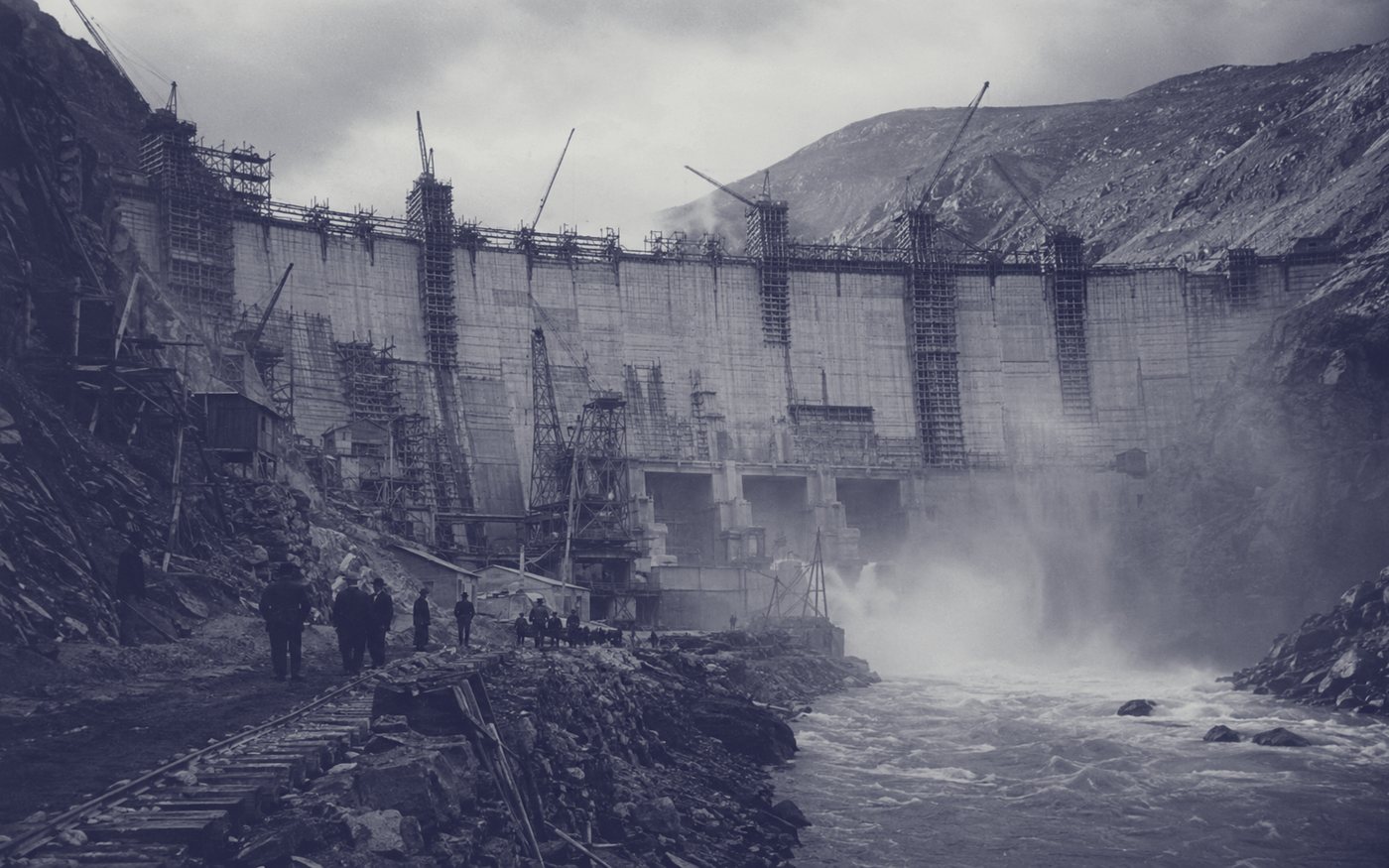
We provide tailored project finance solutions for large-scale infrastructure, energy, and industrial projects, structuring non-recourse and limited-recourse financing from origination through close. Sector coverage includes infrastructure, data centers, controlled environment agriculture, oil & gas, and shipping & marine.
Non-recourse and limited-recourse debt
Lenders look to the project company and its contracts for repayment. Structuring turns on the offtake agreement, the construction contract, and the reserve accounts that protect debt service.
Energy and transition assets
Generation, storage, fuels, and grid infrastructure, including projects that combine tax equity, sponsor equity, and senior debt in a single capital stack.
Infrastructure and industrial
Transport, logistics, digital infrastructure, and heavy industrial facilities, including public-private structures where a government counterparty carries part of the risk.
Not sure which one you need?
Describe the situation and we will point you to the right division and a realistic path.